
Table of Contents
Potentially Harmful Bacteria Found in Sealed Tattoo Inks
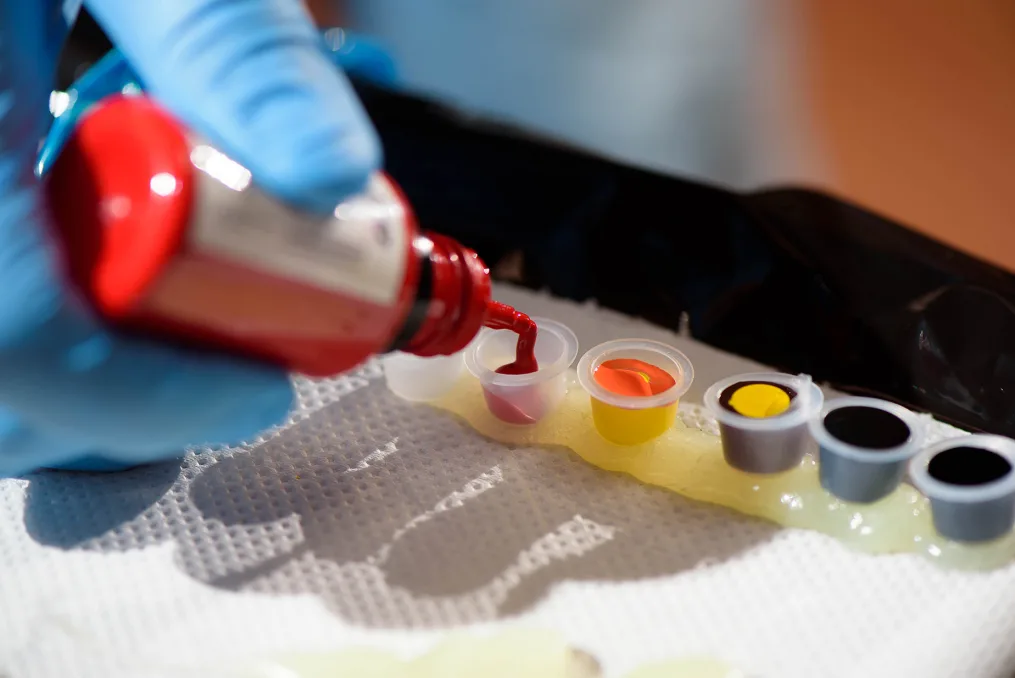
Recent research by the US Food and Drug Administration (FDA) has revealed that sealed bottles of tattoo and permanent makeup ink, including some marked as sterile, contained millions of potentially dangerous bacteria.
The Importance of Monitoring Tattoo Inks
Seong-Jae (Peter) Kim, a microbiologist at the FDA’s National Center for Toxicological Research, emphasized the need for continuous monitoring of these products to ensure their microbial safety. Kim, the corresponding author of the July 2 report published in Applied and Environmental Microbiology, highlighted the importance of this vigilance.
Nagaiets/iStockphoto/Getty Images
Risks Associated with Contaminated Tattoo Inks
Tattoo ink is injected deep into the skin, creating an environment where bacteria can thrive. Linda Katz, the director of the FDA’s Office of Cosmetics and Colors, explained that pathogens or harmful substances in these inks can travel through the blood and lymphatic systems to other parts of the body, leading to serious infections and injuries.
Severe Health Complications from Bacterial Spread
Systemic bacterial spread can cause life-threatening conditions such as endocarditis, a potentially deadly heart inflammation, and septic shock, the most severe stage of sepsis. Sepsis can rapidly lead to tissue damage, organ failure, and death if not treated promptly.
Common Symptoms of Tattoo Ink Infections
Symptoms of infections from tattoo ink include injection-site rashes, impetigo (a highly contagious bacterial skin infection), erysipelas (a bright red and tender rash), and cellulitis (a deep skin infection requiring antibiotic treatment).
Higher Risks for Larger Tattoos and Permanent Makeup
People with multiple or large tattoos are at higher risk due to increased exposure to microorganisms. Katz also noted that applying permanent makeup, especially around the eyes, can raise the risk of infection as microbes could enter the eye.
Lack of Industry Standards
John Swierk, an assistant professor of chemistry at Binghamton University, who has studied tattoo ink contamination, pointed out that contamination in tattoo inks is common due to the lack of standardized sterilization methods in the industry. Swierk emphasized the need for good, standardized manufacturing processes.
Efforts to Improve Safety in the Tattoo Industry
Tattoo artist Selina Medina, director of research at the Alliance of Professional Tattooists, stated that the tattoo industry is working with regulatory bodies to ensure compliance with safety standards. Manufacturers are investing in advanced sterilization technologies and quality control processes to reduce contamination risks.
Zero Bacterial Count Standard
The FDA study tested 75 samples of sealed tattoo and permanent makeup inks from 14 manufacturers. The results showed that 35% of the samples had bacterial contamination, with some containing as many as 100,000 bacteria per gram. Infectious disease expert Dr. Robert Schooley stated that the bacterial count in materials injected into the skin should be zero.
Additional Risks of Viral Infections
Schooley also highlighted the association between tattooing and the transmission of viral infections, including hepatitis C, hepatitis B, and HIV. The high bacterial counts in many inks suggest that other organisms like viruses and fungi could also be present.
Steps to Protect Yourself

miodrag ignjatovic/E+/Getty Images
Certified tattoo artists often take steps to avoid contamination, including conducting their own testing or requiring proof of testing from suppliers. Artists can also resterilize inks before use with an autoclave and ensure proper handling of ink during tattooing to minimize risks.
Need for Regulation in the Tattoo Ink Industry
Experts agree that the tattoo and permanent ink manufacturing industry needs regulations requiring testing and certification before inks are marketed. The Modernization of Cosmetics Regulation Act (MoCRA) of 2022 aims to address these issues, with phased implementation expected over the next few years.
FDA Guidance for the Tattoo Industry
In June 2023, the FDA released draft guidance for the tattoo industry, detailing quality control measures, including sterilization, that manufacturers should follow to ensure product safety.
Ensuring the safety of tattoo and permanent makeup inks through rigorous standards and continuous monitoring is crucial to protecting public health.