
Two cellular defects seem to drive the autoimmune disease affecting over 1.5 million Americans.
Systemic lupus erythematosus (lupus) affects over 1.5 million people in the U.S. and can cause severe damage to organs such as the kidneys, brain, and heart. The causes have been unclear, and current treatments often fail to control the disease and can weaken the immune system, making it harder to fight infections.
Researchers from Northwestern Medicine and Brigham and Women’s Hospital have identified a molecular defect that triggers the immune response in lupus. They suggest that correcting this defect might reverse the disease.
Dr. Jaehyuk Choi, a dermatologist and associate professor at Northwestern University Feinberg School of Medicine, stated, “By identifying a cause for this disease, we have found a potential cure that will not have the side effects of current therapies.”
Dr. Deepak Rao, an assistant professor at Harvard Medical School and rheumatologist at Brigham and Women’s Hospital, added, “We’ve identified a fundamental imbalance in the immune responses that patients with lupus make and defined specific mediators that can correct this imbalance to reduce the pathologic autoimmune response.”
In a study published in Nature on July 10, scientists have identified a new pathway that drives lupus. They discovered disease-associated changes in multiple blood molecules in lupus patients, leading to insufficient activation of the aryl hydrocarbon receptor (AHR) pathway. This pathway regulates cells’ responses to environmental pollutants, bacteria, and metabolites. Insufficient AHR activation results in an overproduction of immune cells that promote disease-causing autoantibodies.
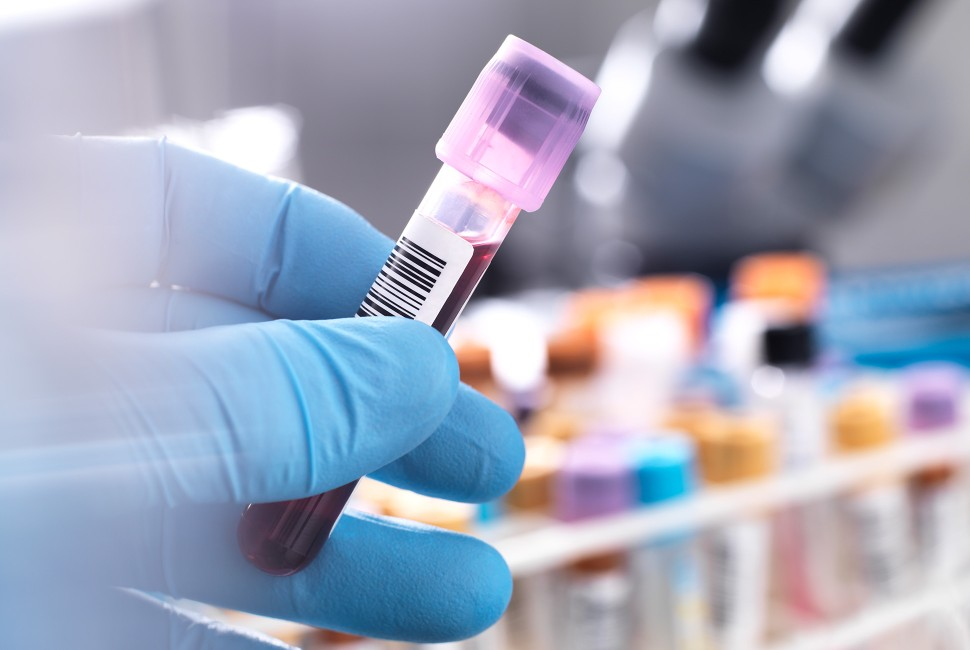
To explore treatment possibilities, researchers reintroduced AHR-activating molecules to blood samples from lupus patients. This seemed to reprogram lupus-causing cells into a type that may aid in wound healing.
Dr. Jaehyuk Choi explained, “By activating the AHR pathway with small molecule activators or reducing excessive interferon in the blood, we can decrease the number of disease-causing cells. If these effects are durable, this may be a potential cure.”
Choi, Dr. Deepak Rao, and their colleagues aim to develop new treatments for lupus patients, focusing on safely and effectively delivering these molecules.
The study’s first author is Calvin Law, with contributions from Arundhati Pillai, Brandon Hancock, and Dr. Judd Hultquist.