
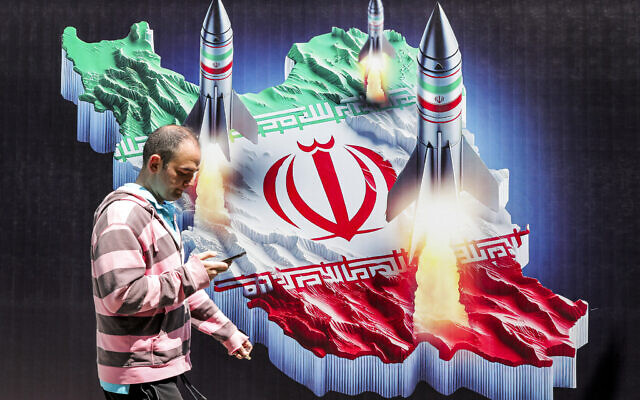
As Israel anticipates a response from Hezbollah and Iran for recent high-profile attacks, the Foreign Ministry has sent out a document to its global ambassadors. This document outlines Israel’s stance and preparations for a potential counterstrike.
The document, crafted through discussions with Foreign Minister Israel Katz and other officials, emphasizes that Israel will not tolerate an Iranian or Hezbollah attack without a response. It describes Iran as a major source of regional instability, involved in various conflicts through its proxies like Hamas, Hezbollah, Shia militias, and the Houthis.
The document highlights recent events, including a Hezbollah rocket strike that killed twelve children in Majdal Shams. It asserts that Israel’s response, which included targeting Hezbollah leader Fouad Shukr, was necessary and precise to limit civilian casualties.
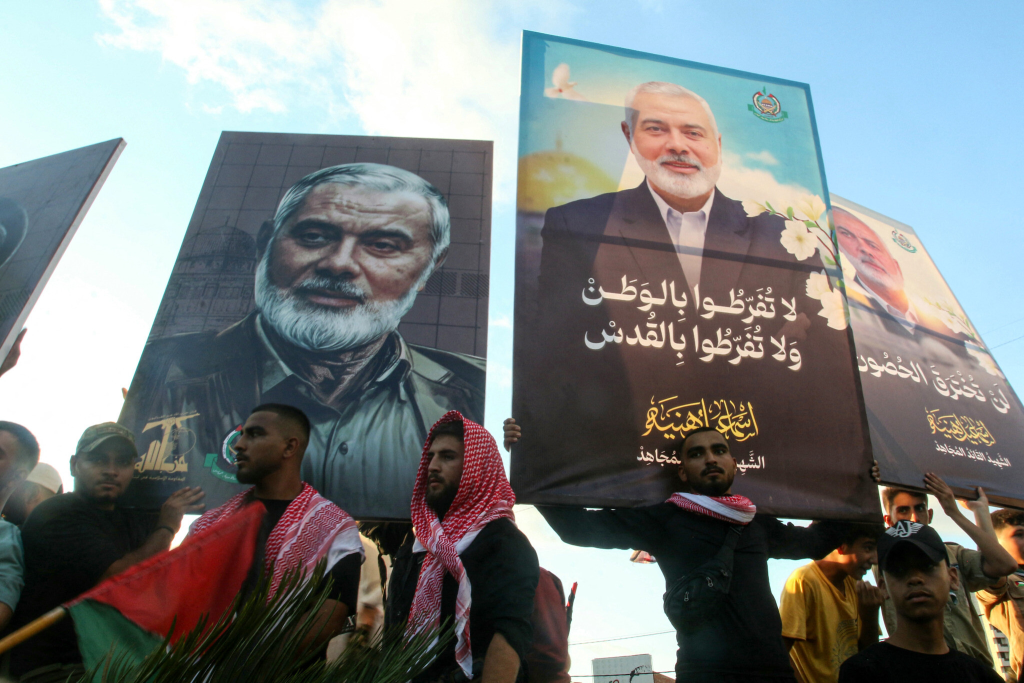
Israel’s message is clear: it has the right to defend itself against Iranian terrorism and threats. The document calls for international condemnation of Iran and its allies, stressing that they should be held accountable for their actions.
Despite threats from Iran and Hezbollah, no large-scale retaliation has yet occurred. Hezbollah leader Hassan Nasrallah has stated that the timing of their response is part of their strategy. Meanwhile, Israeli Prime Minister Benjamin Netanyahu has promised a strong response to any aggression.
The U.S. is actively working to deescalate the situation and has cautioned Israel against overreacting. Diplomatic efforts are ongoing to prevent further escalation and manage the conflict’s impact on regional stability.