
The Mexican army has reported that drones armed with bombs, operated by drug cartels, have resulted in fatalities among soldiers in the western state of Michoacan. Defense Secretary Gen. Luis Cresencio Sandoval has not disclosed specific casualty numbers but confirmed the attacks.
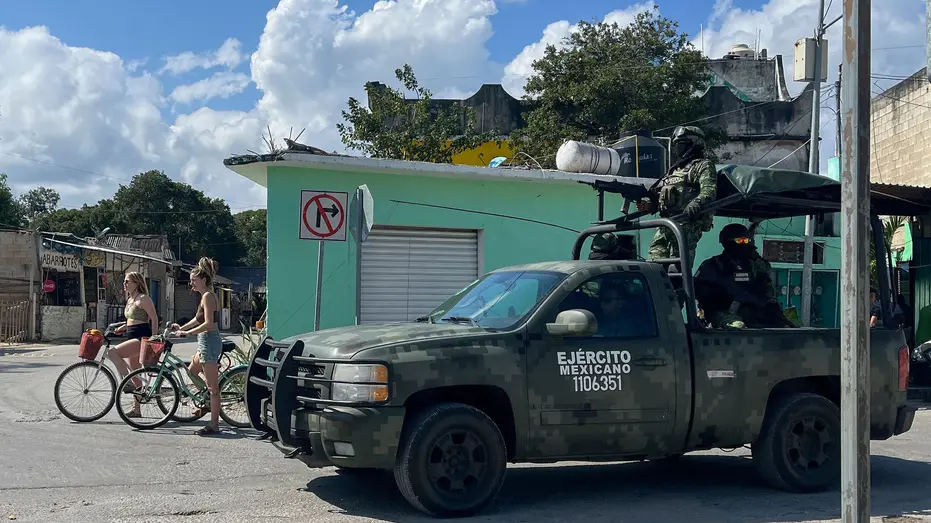
In 2023 alone, there were over 260 incidents involving drones dropping bombs on army patrol units. Sandoval noted that these assaults have caused injuries and deaths among military personnel.
The Jalisco cartel, notorious for outfitting drones with metal bomb casings, has turned Michoacan into a battleground, with frequent use of improvised explosive devices (IEDs), trenches, and armored vehicles.
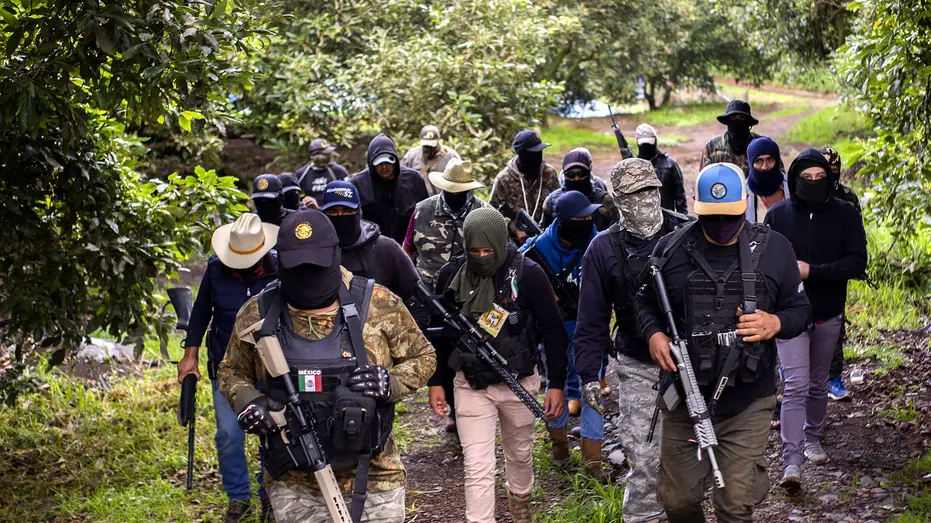
Sandoval reported that roadside bombs remain a more common threat compared to drone-delivered explosives. The only other recorded incidents of cartel bombings occurred in August 2023.
In the first seven and a half months of 2023, 42 soldiers, police, and suspects were injured by IEDs, a significant increase from the 16 recorded in the entirety of 2022.
To counter these threats, the Mexican army is now deploying anti-drone technologies. Additionally, Mexico’s Navy revealed that two military helicopter crew members died earlier this year when their helicopter crashed in the Pacific Ocean while pursuing cocaine-smuggling boats. The U.S. Navy has agreed to assist in recovering the helicopter and the crew’s remains.
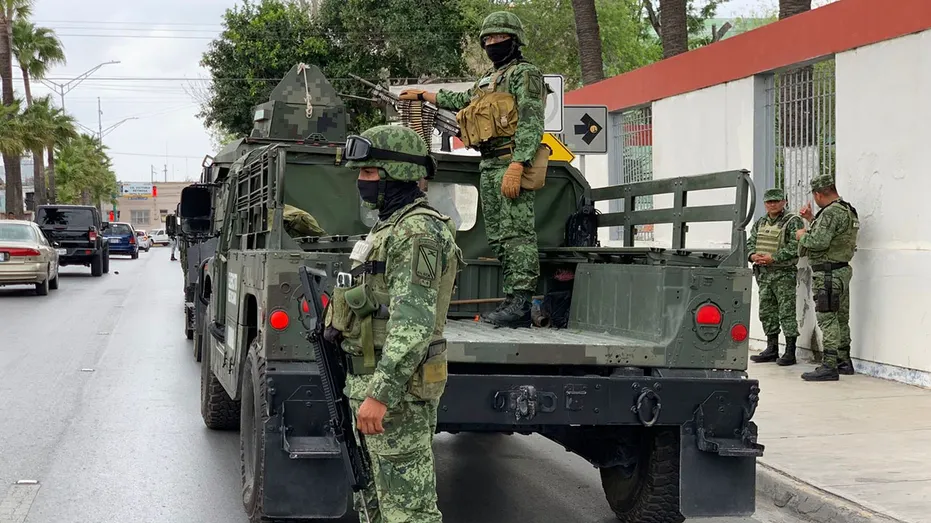
The Jalisco and Sinaloa cartels have also heavily impacted major U.S. cities with meth and fentanyl. According to a DEA report, these cartels have exacerbated the U.S. drug crisis. The DEA report highlighted the cartels’ role in creating a severe drug epidemic, with recent convictions of Jalisco cartel traffickers in Texas for large-scale methamphetamine distribution.
In a recent Fox News interview, former President Trump affirmed that strikes against Mexican drug cartels remain a serious consideration amid the ongoing fentanyl crisis in the U.S.