Issues with Staffing and Culture
The U.S. Secret Service (USSS) is under intense scrutiny following the July 13 assassination attempt on former President Trump. This incident has raised concerns about the agency’s culture and staffing challenges. Both current and former employees have expressed frustration over understaffing despite an increase in the agency’s budget to $3 billion. There are questions about the agency’s ability to recruit and retain skilled agents and manage morale effectively.
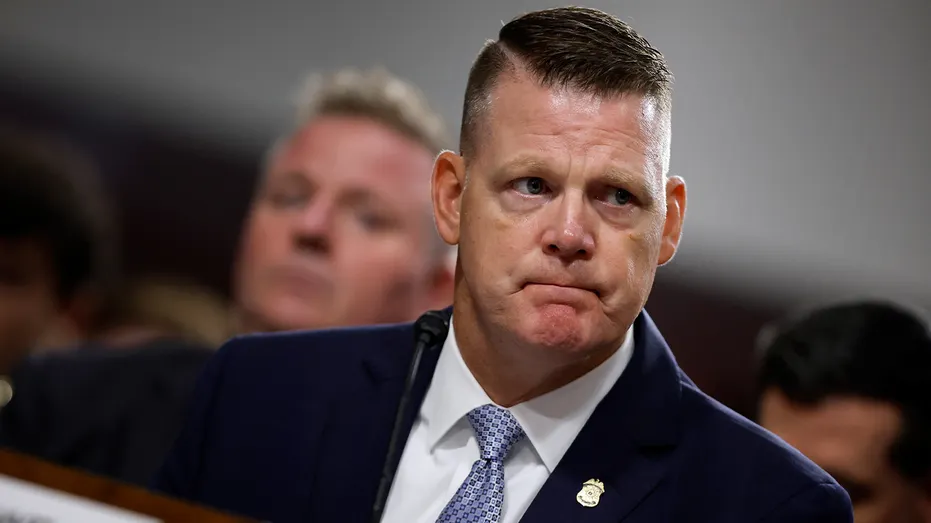
One former counter sniper criticized the agency’s culture, claiming that current practices focus more on self-preservation than on fulfilling the mission. This sentiment was shared during a congressional hearing, where Sen. Marsha Blackburn highlighted the erosion of trust in the agency’s ability to protect high-profile individuals.
Secret Service Staffing Numbers
USSS staffing peaked at 7,811 in 2021 but has since declined to 7,689 in 2023. This includes approximately 3,200 agents, 1,300 uniformed division officers, and over 2,000 support staff. Concerns about the quality of life and extensive travel required of agents have been cited as reasons for the agency’s staffing issues.
Recruitment and Training Requirements
To become a USSS agent, candidates must meet specific requirements, including a clean background and the ability to pass rigorous exams and screenings. Recruits can start training directly after college or with prior military experience up to the age of 40. The training involves a Criminal Investigator Training Program, followed by 18 weeks at the Secret Service James J. Rowley Training Center.
Agents must pass a Special Agent Entrance Exam and undergo thorough background checks. Starting salaries are approximately $49,508, with potential for higher pay based on qualifications and experience. Training and field experience are necessary before agents are assigned to protection details or other high-profile roles.