
Ukraine’s bold military operation into the Russian region of Kursk has sent shockwaves across international borders. Not only has it demonstrated Ukraine’s military prowess and adaptability, but it has also sent a strong message to Western allies: Ukraine is capable of shifting the momentum in this ongoing conflict. This incursion challenges the narrative that Russia holds the upper hand due to its sheer size and military resources. Instead, it highlights the vulnerabilities within the Russian military and underscores the potential for a Ukrainian victory, provided there is sustained support from the West.
Table of Contents
The Background of the Conflict
The Russia-Ukraine war, which began in 2014 following Russia’s annexation of Crimea, has seen numerous shifts in momentum. Initially, the conflict was characterized by intense fighting in the eastern regions of Ukraine, where Russian-backed separatists declared independence. Over the years, Ukraine has faced numerous challenges, including the vast resources and manpower of the Russian military. However, with the full-scale invasion of Ukraine by Russia in 2022, the conflict entered a new phase. What was expected to be a swift victory for Russia turned into a protracted struggle, showcasing both the resilience of the Ukrainian forces and the strategic missteps of the Russian military.
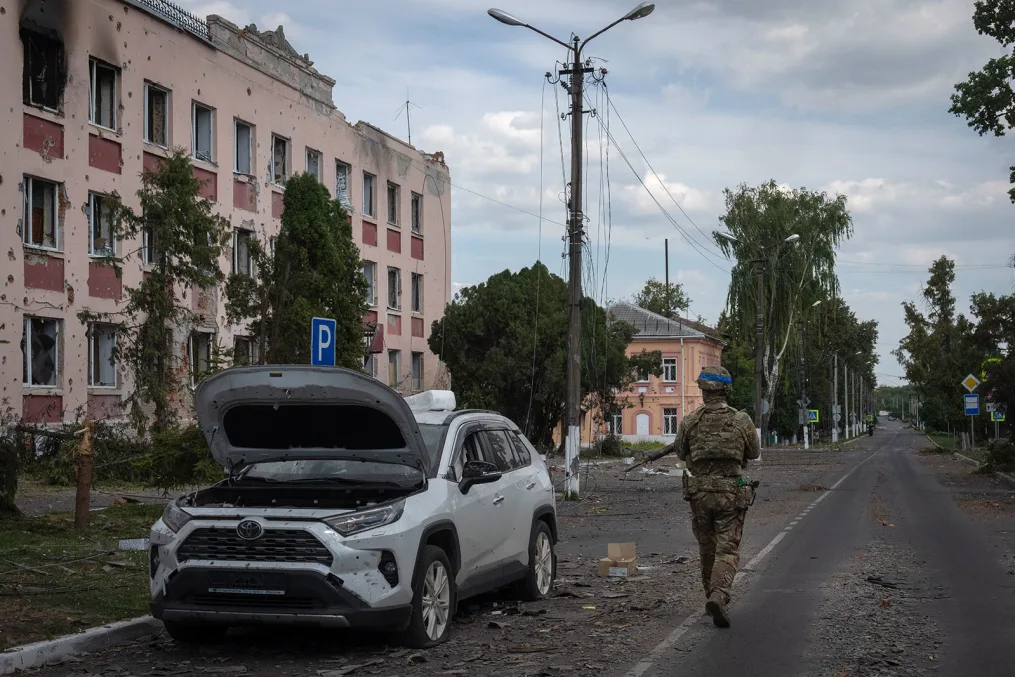
The Kursk Incursion Explained
So, what exactly happened in Kursk? In a surprising and daring move, Ukrainian forces launched a significant military operation into the Russian region of Kursk. This wasn’t a simple cross-border raid; it was a well-coordinated assault involving Ukrainian military intelligence, special forces, and advanced technology. The operation resulted in the capture of strategic positions within Russia, demonstrating Ukraine’s capacity for offensive operations beyond its borders.
The tactics employed by the Ukrainian military showcased their adaptability and innovation. Using a combination of Western-supplied and domestically produced equipment, they were able to breach Russian defenses and hold territory within Russia itself. This not only disrupted Russian military plans but also forced Moscow to divert resources to a new front.
Political Implications of the Incursion
Beyond the battlefield, the Kursk incursion carries significant political weight. For Ukraine’s Western allies, this operation serves as proof that Ukraine is not just on the defensive; it is capable of taking the fight to Russian soil. This sends a powerful message that with continued support, Ukraine can alter the trajectory of the war in its favor.
For Russia, the incursion is a stark reminder of its own vulnerabilities. Despite its larger military and extensive resources, Russia has struggled to achieve its objectives in Ukraine. The incursion into Kursk challenges Moscow’s narrative of inevitable victory and exposes cracks in its military strategy and political resolve.
Military Analysis
A closer look at the military dynamics reveals several critical insights. Despite Russia’s numerical superiority in terms of manpower and equipment, the Ukrainian military has consistently demonstrated superior tactics, agility, and use of intelligence. The Kursk operation highlights these strengths, as Ukrainian forces effectively utilized combined arms tactics, integrating infantry, armor, and artillery in a cohesive assault.
Moreover, Ukraine’s intelligence capabilities have proven crucial. By accurately assessing Russian troop movements and weaknesses, Ukraine was able to launch a surprise attack that caught Russian forces off-guard. This element of surprise was pivotal in achieving the operation’s objectives.

Turning the Tide of the War
The incursion into Kursk represents a significant turning point in the war. Previously, many believed that Ukraine was primarily on the defensive, seeking to reclaim lost territory and fend off Russian advances. However, this operation demonstrates that Ukraine can take the initiative, potentially turning the tide in its favor. By showcasing its ability to conduct offensive operations, Ukraine has reinforced the argument for continued and increased Western support. It has also shown that the war is far from a one-sided affair, and that Ukrainian forces are more than capable of mounting a significant challenge to Russian aggression.
Reactions from the International Community
The international response to the Kursk incursion has been varied. NATO countries, particularly the United States, the United Kingdom, and Germany, have expressed support for Ukraine’s actions, framing them as a legitimate response to Russian aggression. This support is critical, as it not only legitimizes Ukraine’s actions but also reinforces the commitment of Western countries to Ukraine’s defense.
Russia, on the other hand, has condemned the incursion, labeling it a provocative act of aggression. However, the lack of a strong retaliatory response from Moscow suggests that the Kremlin is wary of escalating the conflict further, especially given the internal and external pressures it faces.
The Role of Western Military Aid
Western military aid has been instrumental in Ukraine’s ability to carry out operations like the Kursk incursion. The provision of advanced weaponry, such as HIMARS rocket systems, armored vehicles, and intelligence-sharing capabilities, has significantly enhanced Ukraine’s military effectiveness. This aid has not only provided the tools needed for defense but also enabled Ukraine to carry out offensive operations.
Looking ahead, continued and potentially increased military support will be crucial. Ukraine has shown that it can effectively utilize Western aid, and further support could enable it to sustain its current momentum and potentially achieve more strategic victories.
Challenges and Risks for Ukraine
Despite the successes in Kursk, Ukraine faces several challenges and risks. The incursion into Russian territory could provoke a severe military response from Moscow. Furthermore, as the conflict extends into Russian territory, there is a risk of escalating the war, which could potentially draw in other actors or lead to broader regional instability.
Additionally, Ukraine’s military resources are not limitless. Sustaining operations in Russia could stretch its military capabilities and expose vulnerabilities that Russia could exploit. The political risks are also significant; while the operation has garnered Western support, there is always the potential for shifts in international sentiment, especially if the conflict intensifies.
Ukraine’s Long-Term Strategy
Ukraine’s long-term strategy appears to involve not just defending its territory but also taking proactive measures to weaken Russia’s position. The incursion into Kursk is part of a broader strategy to undermine Russian morale, force Moscow to overextend its military resources, and demonstrate to the world that Ukraine is not merely a passive victim but an active combatant capable of shaping the conflict’s outcome.
Western Hesitations and Red Lines
Despite the support Ukraine has received, there are limits to what the West is willing to provide. Concerns about escalating the conflict have led to restrictions on the types of weapons systems supplied and their use. For example, while there has been some relaxation of red lines concerning strikes inside Russia, there remains hesitation about supplying longer-range missiles that could strike deep into Russian territory.
Ukrainian Public Opinion and Morale
The Kursk incursion has also bolstered Ukrainian public morale. For many Ukrainians, the operation is a symbol of defiance and resilience, demonstrating that their country is capable of standing up to Russian aggression and even taking the fight to the aggressor’s homeland. This has helped to maintain high levels of public support for the war effort and bolstered national unity.
Potential for a Negotiated Settlement
The Kursk operation could also impact potential peace negotiations. By demonstrating its ability to carry out successful operations within Russia, Ukraine has strengthened its bargaining position. In any future negotiations, Kyiv could leverage its military successes to secure more favorable terms or to push for concessions from Russia.
The Future of the Conflict
Looking ahead, the future of the conflict remains uncertain. While Ukraine has demonstrated its ability to challenge Russia militarily, the conflict is far from over. Both sides are likely to continue to seek advantages on the battlefield, and the role of international diplomacy will be crucial in determining whether a resolution can be found.
Conclusion
The incursion into Kursk marks a significant moment in the Russia-Ukraine war, demonstrating Ukraine’s capability and resolve to challenge Russian military power. While the risks are considerable, the operation has shifted the narrative of the conflict, highlighting the potential for a Ukrainian victory with sustained Western support. As the war continues, the international community will need to navigate the delicate balance between supporting Ukraine and avoiding a broader escalation.
FAQs
- What Was the Kursk Incursion?
- The Kursk incursion was a military operation conducted by Ukrainian forces into the Russian region of Kursk, showcasing Ukraine’s ability to carry out offensive operations beyond its borders.
- How Has the Kursk Incursion Changed the War?
- The incursion has shifted the narrative of the war, proving that Ukraine can take the initiative and challenge Russian forces on their own soil, thereby altering the perceived dynamics of the conflict.
- What Are the International Reactions to the Incursion?
- NATO and Western countries have generally supported Ukraine’s actions, viewing them as a legitimate response to Russian aggression. Russia, however, has condemned the incursion as a provocative act.
- Will Ukraine Continue Its Strategy of Incursions?
- While future incursions are possible, they depend on a variety of factors, including military capabilities, political considerations, and the international response to such actions.
- What Does This Mean for Future Peace Negotiations?
- The incursion strengthens Ukraine’s bargaining position in any potential peace negotiations by demonstrating its ability to conduct successful military operations against Russia.