
With the return of students this fall, US colleges are tightening their campus policies in response to a surge in anti-Israel protests. These new rules aim to balance the right to protest with the need to ensure student safety and maintain an environment conducive to learning.
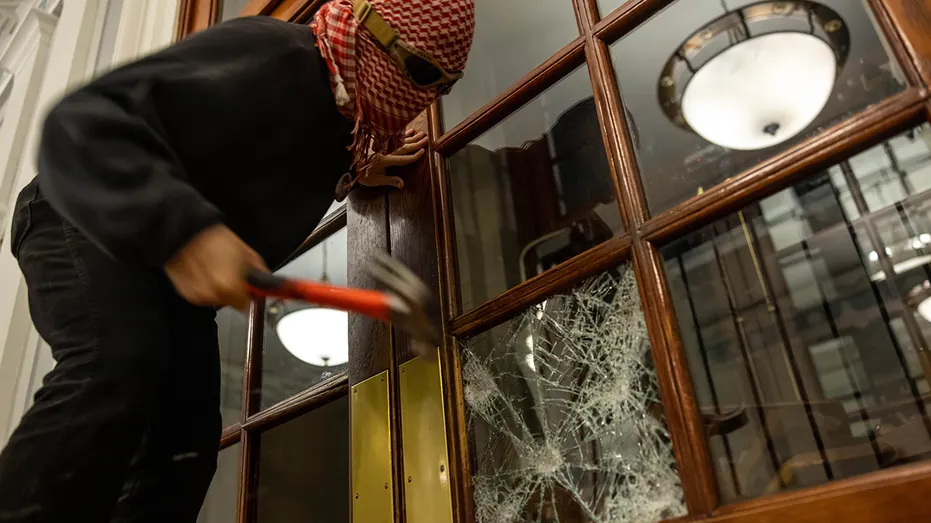
Stricter Rules to Curb Campus Disruptions
Many colleges have introduced new measures that limit where and how protests can occur. These include banning overnight encampments, restricting protests to certain areas, and setting time limits on when protests can take place. For example, some universities have imposed bans on amplified sounds like bullhorns during class hours.
Balancing Free Speech and Safety
Critics argue that these rules infringe on free speech, but many college administrators believe they are necessary to protect the safety and rights of all students. According to William Jacobson, a Cornell Law professor, many of these new policies simply make existing rules more explicit. The aim is to prevent disruptions that interfere with students’ ability to attend classes and feel safe on campus.
The Impact on Campus Life
These new rules come in the wake of significant unrest last year, which saw protests frequently disrupting campus activities. Some students and faculty have expressed concern that these measures may suppress free expression. However, universities argue that the policies are in place to ensure that all students can pursue their education without fear of intimidation.
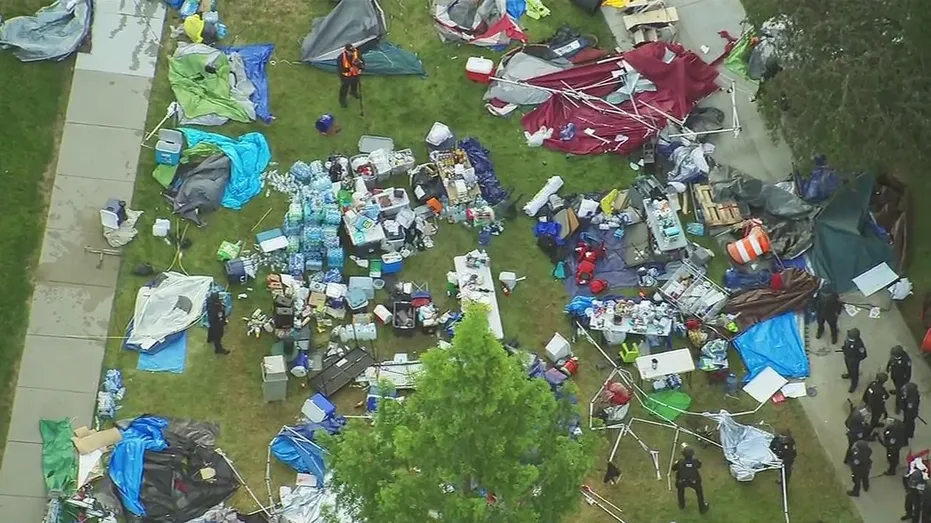
Controversy Over New Regulations
The new regulations have sparked debate on campuses across the country. The American Association of University Professors recently issued a statement condemning what they see as overly restrictive policies that could stifle open debate. On the other hand, some believe that these policies are necessary to prevent protests from crossing the line into harassment or intimidation.
Examples of New Campus Policies
Several universities have already rolled out new guidelines:
- University of Pennsylvania: Banned overnight demonstrations and limited the use of loudspeakers after 5 p.m.
- Indiana University: Introduced restrictions on protests after 11 p.m. and required approval for any signs displayed on campus.
- University of South Florida: Required pre-approval for banners and prohibited any protest activities during final exams.

Free Speech vs. Intimidation
Jacobson noted that while free speech is important, there is a difference between peaceful protest and actions meant to intimidate others. He emphasized that many of these new rules are aimed at preventing the latter. According to him, some protesters are more interested in creating a hostile environment for Israel supporters, particularly Jewish students, rather than engaging in meaningful dialogue.
Challenges to the New Policies
There is little doubt that some of these new policies will be challenged, particularly those imposed by public universities. Critics argue that the restrictions could violate constitutional rights, but Jacobson believes that as long as the rules are reasonable and applied consistently, they should hold up in court.
The Debate Continues
The implementation of these new rules has led to a wider debate about the balance between free speech and safety on college campuses. Some see the measures as a necessary response to an increasingly toxic atmosphere, while others view them as a threat to open discourse.
Conclusion
As colleges continue to navigate this complex issue, the conversation around free speech, protest rights, and student safety is likely to evolve. The challenge will be finding a balance that respects the rights of all students while ensuring that campuses remain safe and conducive to learning.
FAQs
1. Why are colleges enforcing new rules for protests?
Colleges are introducing new rules to manage disruptions caused by protests, especially those related to the Israel-Hamas conflict, while ensuring student safety and access to education.
2. What are some of the new rules being implemented?
Some new rules include banning overnight encampments, limiting protest times, and restricting the use of loudspeakers during class hours.
3. Are these new rules infringing on free speech?
Critics believe that some rules may limit free speech, but supporters argue they are necessary to prevent harassment and maintain a safe learning environment.
4. Will these new policies face legal challenges?
Yes, particularly at public universities, some policies may face challenges in court, but as long as they are reasonable, they are likely to be upheld.
5. How have universities responded to the criticism of these rules?
Universities argue that the rules are in place to protect all students’ rights and ensure that protests do not disrupt educational activities or create an unsafe environment.